The masseter muscles sit like bookends at the angle of the jaw. When they overdevelop from constant clenching or grinding, they can create a square, heavy lower face and a laundry list of symptoms: morning jaw soreness, tension headaches, tooth wear, even ear fullness. Masseter Botox targets those specific muscles to soften their bulk and reduce overactivity. Done well, it can bring visible facial slimming and real relief from jaw clenching and teeth grinding. Done poorly, it can weaken chewing or distort a smile. The difference lies in evaluation, dosing, injection depth, and follow-up.
I have treated hundreds of jaws over the years, from petite patients with stress-induced bruxism to powerlifters with hypertrophied angles and chefs who require steady chewing strength. The pattern is consistent: people come seeking a narrower jawline or freedom from constant tension, often both. They ask how Botox compares to fillers, what units are typical, how long results last, and whether it is safe to eat a steak afterward. There are nuances worth unpacking.
What masseter Botox actually does
Botox is a neuromodulator that temporarily reduces nerve signaling at the neuromuscular junction. In the forehead or for frown lines, we use it to quiet movement that etches wrinkles. In the masseter, the goal is different. We aim to reduce the power of a muscle that is overfiring. That reduction can achieve two things at once: it decreases bite force responsible for clenching and grinding, and it encourages the muscle to slim by disuse atrophy. It is not an instant contouring trick. In the first 1 to 2 weeks, you feel less clenching pressure. Visible slimming typically follows over 4 to 8 weeks as the muscle de-bulks.
A typical masseter muscle has a broad, fan-like shape with superficial and deep portions. The anterior portion sits near the corner of the mouth and overlies muscles that elevate the lip and help you smile. Precise placement matters, because diffusion into nearby muscles can produce an asymmetric or flat smile. The safe technique and the art both hinge on mapping the belly of the masseter, locating the mandibular notch and angle, and placing injections at the right depth.
Who benefits and who should proceed cautiously
The ideal candidate has at least one of these features: a wide, squared lower face from muscle hypertrophy rather than bone, jaw pain or fatigue by evening, chipped or worn teeth, scalloped tongue edges, or a partner who complains about grinding noises. Some patients also have tension headaches that start at the temples and travel toward the ear or jaw, which can improve when clenching reduces. If you push your fingertips into the side of your jaw and clench, you should feel a firm bulge. If that bulk is substantial, masseter Botox may help both function and facial shape.
The trickier cases include very thin faces where further slimming might make the cheeks appear sunken, people with existing asymmetry of the smile, singers or brass musicians who need powerful perioral control, and those with malocclusion that a dentist has not yet addressed. If your TMJ pain is primarily from joint degeneration or disc displacement, Botox alone will not resolve it. It can still reduce the muscle stress on the joint, but it is not a cure for structural joint issues. This is where collaboration with a dentist or oral surgeon makes the outcome better.
The consultation that sets up success
I ask patients to bring photos from three to five years ago, ideally full-face, relaxed bite, neutral smile. It helps separate muscle growth from weight changes or bone structure. We palpate the masseter at rest and while clenching, trace its borders, and look for asymmetry. I also check for trigger points along the temporalis, because some patients need a small amount placed there for headache relief, although that is distinct from forehead lines or frown lines treatment. We review habits: gum chewing, nail biting, chewing ice, high-caffeine routines, sleep bruxism, and device posture. Small behavior shifts reinforce the results.
Expect a frank discussion about goals. If the priority is jawline slimming, the dosing plan differs from a patient whose main goal is to stop cracking molars. If you already receive Botox cosmetic treatment for crow’s feet or frown lines, we will coordinate timing so that aftercare instructions do not conflict and you are not overtreated. New patients often ask about baby Botox or micro Botox. Those terms describe softer dosing or intradermal placement for pores and fine lines, not the deep masseter work. Masseter treatment requires enough units to penetrate and act on a thick, powerful muscle.
How many units are typical, and why the range varies
For masseter Botox, an average starting plan falls between 20 and 40 units per side with onabotulinumtoxinA. Smaller-framed individuals who mainly want to soften clenching may respond to 15 to 20 units on each side. For visible facial slimming in a robust, hypertrophied muscle, 25 to 40 units per side is common. Athletes or habitual grinders who have built impressive bite force may need 40 to 60 units per side to see both relief and contouring. The safest path is incremental: treat conservatively, reassess at 4 to 6 weeks, and top up if needed.
If you have previously tried Dysport or Xeomin, equivalent dosing may differ. Dysport units are not identical to Botox units, and conversion is approximate. Xeomin behaves similarly to Botox within the masseter, though some providers find onset slightly different. The choice among Dysport vs Botox vs Xeomin is often a matter of experience and availability rather than massive clinical differences for this muscle. What matters more is technique and a tailored plan.
What a well-performed appointment feels like
The visit usually takes 20 to 30 minutes. After photographs and consent, we mark the muscle borders while you clench repeatedly. The injection sites are mapped to avoid the anterior border where the risorius and zygomaticus activities can be affected. The skin is cleansed. Some providers use topical numbing, though most patients tolerate the quick pinpricks without it. Expect a series of deep, small-volume injections, often three to five points per side. It should feel like pressure and a sting that fades quickly. There is minimal bleeding if done correctly.
You can drive yourself home, work, or attend a meeting afterward. There is essentially no downtime, although you might see tiny bumps that settle within 30 minutes, and a bruise is possible but uncommon. Soreness on chewing can appear over the next day or two as the muscle begins to respond. Chewing gum is not recommended that week, and neither is massaging the area. Heat and heavy exercise immediately after are discouraged to limit unintended diffusion.
How soon you notice changes and how long they last
Functional relief typically starts within 3 to 7 days. Many patients notice that their jaw feels less “locked on” by the first weekend. Nighttime grinding often reduces over 1 to 2 weeks, which a bed partner may confirm before you do. Headache frequency may fall in parallel if those headaches were clearly muscle-tension based. Visible slimming takes longer. The masseter has to de-bulk, which means the muscle fibers shrink from less workload. Expect a gradual change that becomes evident by 4 to 6 weeks and continues to refine to around the 8-week mark.
Results last 3 to 6 months on average. Individuals who grind aggressively may feel the return of pressure closer to 3 months, while thinner muscles may hold at 6 months or more. With repeated sessions, the hypertrophy tends to decline, so many patients find they need fewer units or longer intervals over time. That said, if you resume constant gum chewing or nightly bruxism without a guard, you can re-hypertrophy the muscle between visits.
Safety, side effects, and what cautious dosing avoids
The most common side effects are temporary tenderness, mild chewing fatigue, or a transient dull ache. Small bruises can occur. The problem everyone worries about, and rightly so, is smile change. If the product diffuses into the zygomaticus major or minor, the corner of the mouth may lift less on one side. This is avoidable with a clear understanding of anatomy, attention to the anterior border of the masseter, and modest volumes per injection point. Another rare side effect is a feeling that chewing tough foods is more work. Again, careful dosing matched to your diet and occupation helps. If you regularly eat very chewy foods or need high bite force for work, we can support function with a conservative plan that prioritizes symptom relief over maximum slimming.
Botox is well studied. Systemic reactions are rare and usually associated with very high doses or specific medical conditions. For masseter use, the doses are localized and generally safe when performed by trained professionals. If you are pregnant, planning pregnancy, or breastfeeding, we defer treatment. If you have a neuromuscular disorder such as myasthenia gravis, you need a clearance conversation with your physician.
How masseter treatment differs from Botox for wrinkles
A lot of patients arrive familiar with Botox for forehead lines, frown lines, crow’s feet, or a subtle brow lift. Those are superficial muscles, and the goal is to reduce the dynamic creasing that becomes static fine lines. Units of Botox needed for those areas are modest, often 10 to 20 units for a forehead, 10 to 25 for the glabella, 6 to 12 per side for crow’s feet, adjusted to anatomy. Masseter work is deeper and more powerful. The dosing is higher, the onset for contouring is slower, and the functional benefits can be life-changing if you have been grinding for years. Think of it as therapeutic Botox that also delivers aesthetic improvement.
Role alongside dentistry and other therapies
Botox helps, but it is not the only answer. A well-fitted night guard protects enamel and can reduce the reflex to clench, especially when paired with neuromodulation. Orthodontic issues, airway restriction, and sleep apnea can all drive bruxism. If you snore, wake unrefreshed, or have daytime sleepiness, screening for sleep apnea makes sense. Physical therapy that addresses neck and jaw mechanics, as well as muscle trigger points, can amplify results. Some patients respond to magnesium glycinate at bedtime, especially if cramps and twitching occur elsewhere. Stress management is not a platitude; biofeedback, brief breathing exercises, and posture corrections lower the baseline tone of the jaw. The best program combines these elements with periodic Botox maintenance.
The aesthetic dividends: jawline slimming and harmony
When the masseters shrink, the lower third of the face softens. In women who have developed a square jawline with years of clenching, the effect can be striking. The face tapers more from cheekbone to chin, and the jaw angle looks less bulky at rest and in photos. For men, the goal is often different. Many want to keep a strong angle but reduce pain, so we focus dosing to relieve clenching without erasing definition. This is where a personalized plan matters. On a man with a naturally narrow midface, high-dose masseter reduction can over-narrow the lower face and make the chin look prominent. On a woman with full cheeks and sharp angles, targeted slimming can bring the face into balance even without fillers. When fillers are used, we often place them after masseter slimming has stabilized, because the new contour informs where volume can harmonize rather than fight thickness.
Cost, value, and how to think about pricing
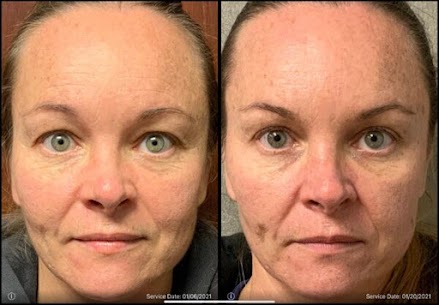
Masseter Botox pricing varies by market and by whether the clinic charges per unit or per area. Per-unit pricing in many cities ranges from 10 to 20 dollars. An initial plan that uses 40 to 80 units total can land between 400 and 1,600 dollars depending on geography and the product used. Package deals exist, but ensure they allow flexibility in dosing for your anatomy rather than a one-size approach. When comparing the best Botox clinic for this procedure, prioritize experience with therapeutic jaw treatment, not just cosmetic work. Ask to see masseter-focused Botox before and after photos taken at 8 to 12 weeks, not just immediate snapshots.
If you are comparison shopping under “Botox near me for wrinkles,” remember that wrinkle units do not translate directly to masseter dosing. Saving a little money on inexperienced masseter injections can cost you months of an uneven smile. The best Botox doctor for this area should demonstrate thoughtful mapping, conservative first dosing, and a clear follow-up plan.
A practical timeline for first-time patients
Most first-time Botox patients for the masseter start conservatively. At the appointment, we take baseline photos, map the muscle, and treat. You leave with short aftercare instructions and a number for questions. Around day 7, you likely notice a drop in clenching intensity. By week 3, chewing feels normal, but you are less fatigued by evening. Photos at week 6 show a gentler jawline curve. If one side remains bulkier, a small touch up can balance it. At month 4, some patients begin to feel return of tension and schedule maintenance. Others hold until month 5 or 6. Over two to three cycles, unit needs often decrease.
Aftercare that protects your result
- Keep upright for 4 hours after treatment, and avoid pressing or massaging the area for the first day. Skip vigorous workouts, saunas, and hot yoga until the next day. Avoid chewing gum and very tough foods for the first 48 hours to reduce early strain. Limit alcohol the first evening, as it can increase bruising. If mild tenderness occurs, use a cool compress briefly and avoid deep tissue massage over the jaw for a week.
These are small guidelines, but they reduce the risk of diffusion, bruising, and early overuse. If you also had forehead or crow’s feet work the same day, the same rules apply for those areas.
How it feels to chew after treatment
People worry they will not be able to eat. In reality, most patients eat normally within hours. The sensation is that the bite is less forceful. Chewing a crusty baguette can feel like a workout if you received higher-dose contouring in a single session. If your diet includes very chewy foods daily or your job demands strong mastication, let your provider know. We can stage dosing, separate sessions, or choose the lower end of the unit range while still delivering relief from jaw clenching. If you notice a mild lopsided chewing pattern, it often reflects pre-existing asymmetry now made visible. A small top-up on the heavier side rebalances it.
Combining masseter Botox with other facial treatments
Patients often coordinate masseter treatment with subtle perioral tweaks, like a lip flip Botox for a gummy smile or microdoses for chin dimpling. These are separate injection sites and need separate planning. Masseter work also pairs well with non surgical wrinkle treatment Botox across the upper face, since addressing forehead lines and frown lines can lower overall expression tension. If you are considering jawline fillers, sequence them after the masseter has slimmed. If skin quality is a concern, independent choices like chemical peels or laser can be done on different days without interference.
For those curious about preventative Botox, the concept fits the masseter. Early, low-to-moderate dosing can prevent years of hypertrophy and its downstream effects on enamel and facial shape. Baby Botox, however, is not the right term for what we do here. Under-dosing a thick masseter just wastes time and rarely delivers symptom relief.
Trade-offs, edge cases, and when not to treat
There are circumstances where Botox is not the right option. If your lower face is already hollow, slimming the masseter can overexpose the mandibular border and age the face. If your bruxism stems from untreated sleep apnea, you will fight an uphill battle until the airway is addressed. If you expect a chiseled jawline like an edited photo, neuromodulation cannot change bone angles or skin laxity. If sagging skin at the jowl is your main concern, neck botox or energy-based skin tightening may be a better starting point, or a surgical approach depending on botox laxity. Masseter Botox does not lift jowls, it reduces muscle bulk. On the flip side, for patients with prominent outer jaw width from muscle, slimming can soften the look of jowls indirectly by removing lateral bulk.
Another edge case is the patient with chronic migraines. While migraines Botox treatment targets a different pattern involving forehead, temples, back of the head, and neck, some migraine sufferers report additional relief when their nocturnal clenching calms. That benefit is a welcome bonus, but it should not replace a neurologist-guided protocol if your migraines are severe.
Selecting the right provider and questions to ask
Your consultation is an interview both ways. Ask how many masseter cases the provider treats each month. Ask to see masseter-specific before and after photos at 8 to 12 weeks. Clarify how many units per side they anticipate for your anatomy and whether they plan a staged approach. Confirm the follow-up timing, typical botox touch up policies, and how they handle asymmetry. If you have had prior filler in the lower face, ask how that informs the injection map. You want someone who understands advanced botox techniques and can articulate what not to do after Botox in plain terms.
A seasoned provider will also discuss contraindications, ask about your dental history and night guard use, and set realistic expectations about botox results. Natural looking Botox is not about zero expression or, in this case, zero chewing power. It is about calibrating dose to function and appearance.
Realistic expectations on maintenance
Botox is temporary. The honest answer to how often to get Botox in the masseters is every 3 to 6 months at first, lengthening intervals as the muscle de-bulks and habits improve. Some patients settle into twice-yearly maintenance. Others prefer quarterly to keep a consistent contour. There is no universal best age to start Botox for the jaw, but earlier intervention often prevents the jaw from widening and protects teeth, which is a compelling reason for people in their late twenties or thirties who notice early clenching.
If you are building a personalized Botox plan that includes the upper face, synchronize appointments so that downtimes coincide and aftercare is straightforward. Package pricing and botox membership programs can help with budgeting, but the real savings come from right-sizing dose and avoiding corrective work.
A brief comparison with fillers and other contouring options
Botox versus fillers in the lower face is not an either-or; they do different jobs. Masseter Botox reduces width. Fillers add structure or restore volume. If your goal is a slimmer jawline, neuromodulation is first. If you also lack projection at the chin or need sharper mandibular definition after slimming, filler can finish the contour. Energy-based skin tightening can help mild laxity. Surgical options, such as masseteric reduction or mandibular angle contouring, are reserved for bone-dominant width or patients who want permanent change and accept downtime and risk. Most people with muscle-driven bulk never need surgery.
The small details that make outcomes look natural
Quiet hands and measured volume per injection point lower the risk of diffusion. Mapping the anterior border and staying posterior and inferior prevents smile weakness. Respecting a patient’s diet, occupation, and aesthetic goals informs dosing. Documenting units and maps ensures reproducibility and helps fine-tune the second session. Checking for temporomandibular joint clicks or crepitus helps set expectations about joint-related pain that Botox will not fully address. Finally, honest photography at baseline and 8 weeks gives you proof of contour change, beyond what a mirror can show day to day.
When to call, and what counts as normal
Mild tenderness or chewing fatigue is normal the first week. Small lumps where the injections were placed should settle by the end of the day. A small bruise can take a week to fade. Call if you notice a markedly uneven smile, difficulty closing your lips comfortably, or chewing weakness that interferes with eating everyday foods. These issues are rare and often manageable with time and, if appropriate, a very small counterbalancing dose. Communication early helps us help you.
Final thoughts from the chair
Patients usually come back with one of two comments. Either their dentist is thrilled because enamel wear slowed, or their friends say something looks fresher and cannot place it. That is the sweet spot: genuine relief from a stubborn habit plus a refined lower face that remains authentically yours. If you are a first time Botox patient, start with a consultation centered on function. If you are returning after prior masseter work elsewhere, bring your prior unit counts and timing. With careful planning, masseter Botox can be a quiet workhorse in a personalized Botox plan, restoring ease to your jaw and balance to your face without drawing attention to how you achieved it.